Digital Marketing Strategy for Small Businesses
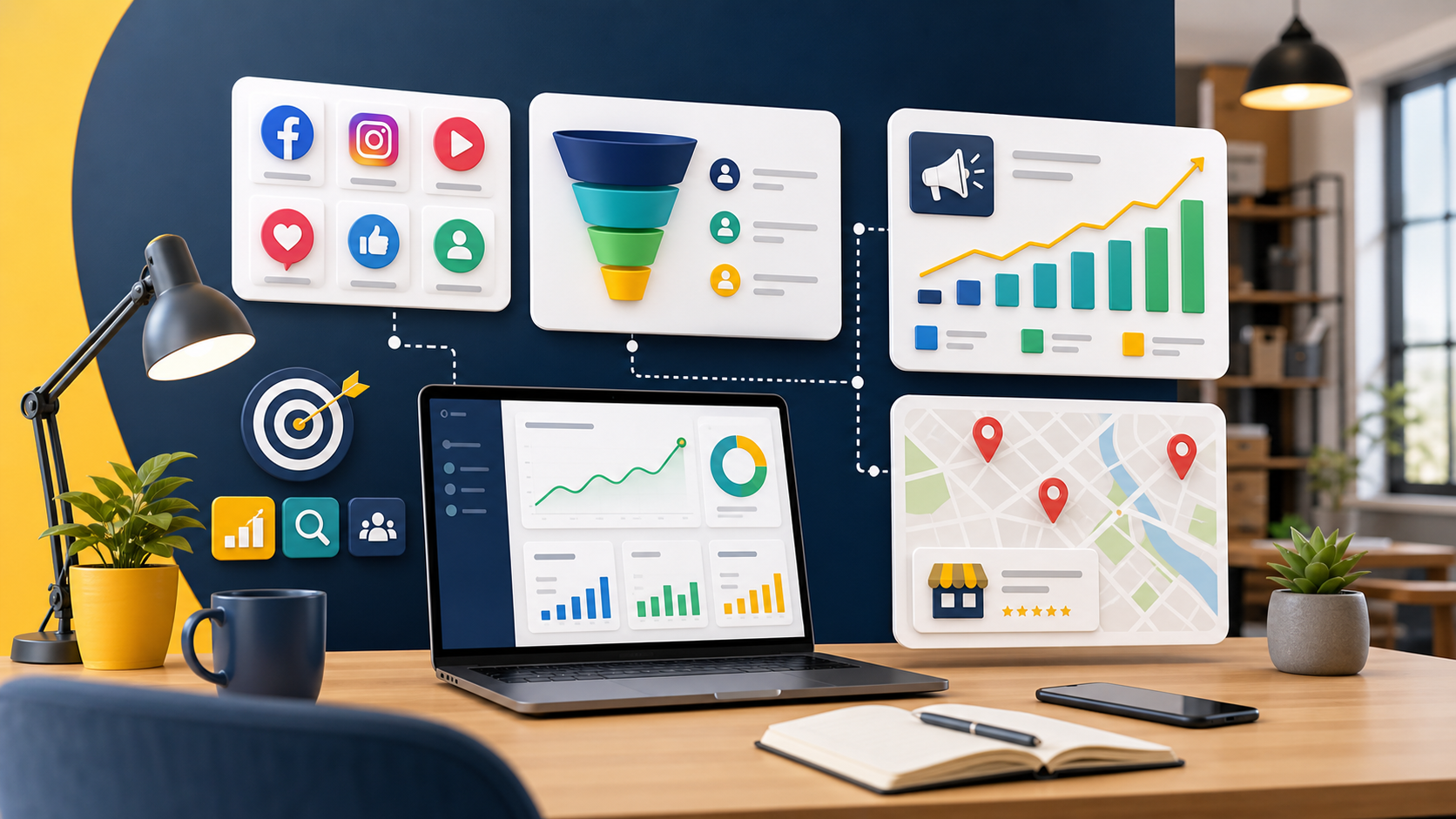
In today's competitive digital landscape, small businesses need more than just a website—they need a well-planned digital marketing strategy. A smart strategy helps attract the right audience, increase brand awareness, generate qualified leads, and boost sales without requiring a massive marketing budget.
Whether you're a startup, local business, retail store, healthcare provider, educational institute, or service-based company, the right digital marketing approach can accelerate your business growth in 2026.
- Mobile Responsive
- Fast Loading
- SEO Optimized
- Secure (HTTPS)
- Easy to Navigate
- Conversion Focused
1. Build a Professional Website
Your website is the foundation of your digital marketing efforts. It should be:
A professional website creates trust and turns visitors into customers.
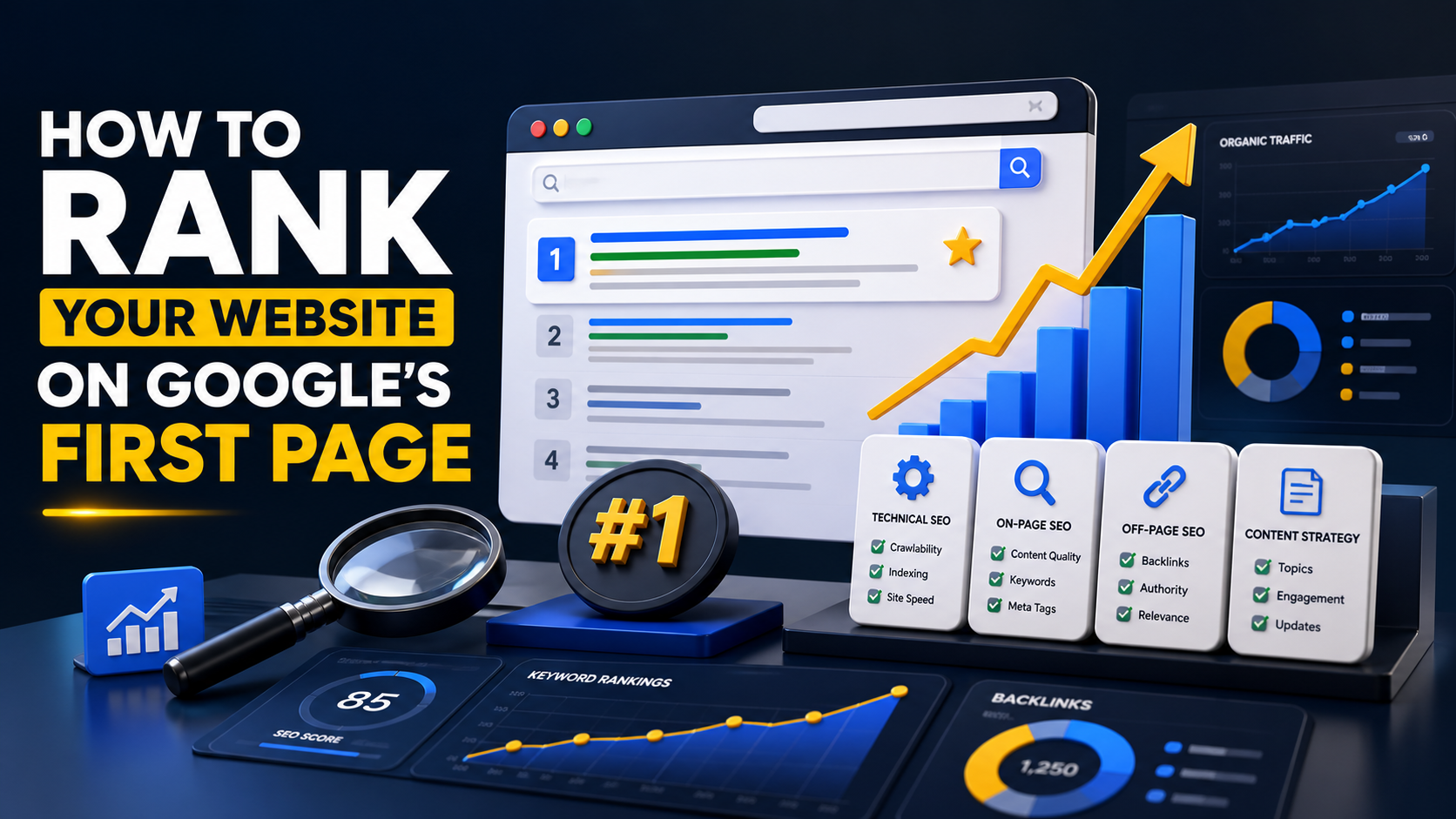
2. Focus on Search Engine Optimization (SEO)
SEO helps your website rank higher on Google, bringing free organic traffic.
- Keyword Research
- On-Page SEO
- Technical SEO
- Local SEO
- High-Quality Content
- Internal Linking
- Quality Backlinks
Key SEO practices include:
SEO delivers long-term growth and reduces dependency on paid advertising.
3. Optimize Your Google Business Profile
For local businesses, an optimized Google Business Profile is essential.
Benefits include:
- Better Local Search Rankings
- Google Maps Visibility
- Customer Reviews
- Business Information
- Increased Calls and Website Visits
Keep your profile updated with accurate business details and photos.
4. Create Valuable Content
Content marketing builds authority and attracts potential customers.
- Blog Articles
- Case Studies
- Industry News
- How-To Guides
- FAQs
- Videos
- Infographics
Publish:
Consistent content improves SEO and builds customer trust.
5. Use Social Media Marketing
Be active where your audience spends time.
- YouTube
- X (Twitter)
Popular platforms include:
Share educational content, success stories, customer testimonials, and promotional offers to increase engagement.
6. Run Paid Advertising Campaigns
Paid ads help generate leads quickly.
- Google Ads
- Facebook Ads
- Instagram Ads
- LinkedIn Ads
- YouTube Ads
Popular advertising channels:
Start with a defined budget, target the right audience, and optimize campaigns based on performance.
7. Invest in Local SEO
If you serve a specific city or region, local SEO is critical.
- City-Based Keywords
- Google Maps
- Local Citations
- Customer Reviews
- Location Pages
Optimize for:
This helps nearby customers discover your business.
8. Leverage Email Marketing
Email marketing remains one of the highest ROI digital channels.
- Send Newsletters
- Promote Offers
- Share Product Updates
- Welcome New Customers
- Recover Abandoned Carts
- Build Customer Loyalty
Use it to:
Personalized emails improve engagement and repeat business.
9. Use WhatsApp Marketing
WhatsApp offers direct communication with customers.
- Product Updates
- Appointment Reminders
- Order Notifications
- Customer Support
- Promotional Campaigns
Use it for:
Ensure compliance with messaging regulations and obtain customer consent.
10. Build Customer Trust
Trust increases conversions and repeat purchases.
- Customer Testimonials
- Online Reviews
- Success Stories
- Certifications
- Awards
- Client Logos
Display:
Social proof helps potential customers make confident buying decisions.
11. Track Marketing Performance
Measure your results using analytics tools.
- Website Traffic
- Lead Generation
- Conversion Rate
- Bounce Rate
- Customer Acquisition Cost
- Return on Ad Spend (ROAS)
- Sales Growth
Monitor:
Regular analysis helps improve future campaigns.
- Content Creation
- Customer Support Chatbots
- Marketing Automation
- Audience Segmentation
- Campaign Optimization
- Performance Analysis
12. Embrace AI-Powered Marketing
AI tools can improve efficiency by helping with:
Using AI strategically allows small businesses to compete more effectively.
- Best Digital Marketing Channels for Small Businesses
- Search Engine Optimization (SEO)
- Google Business Profile
- Google Ads
- Social Media Marketing
- Email Marketing
- WhatsApp Marketing
- Content Marketing
- Video Marketing
- Influencer Marketing
- Referral Marketing
- Common Mistakes to Avoid
- Ignoring SEO
- Inconsistent Branding
- Not Tracking Results
- Poor Mobile Experience
- Posting Without a Strategy
- Targeting the Wrong Audience
- Neglecting Customer Reviews
- Failing to Update Content
Avoiding these mistakes can improve marketing performance and maximize ROI.
Conclusion
A successful digital marketing strategy combines a strong website, SEO, quality content, social media, paid advertising, local optimization, and performance tracking. Small businesses that consistently invest in these areas can increase visibility, generate more leads, and build long-term customer relationships.
With the right strategy, even a modest marketing budget can deliver sustainable business growth and a strong competitive advantage in 2026.